
 de
 en
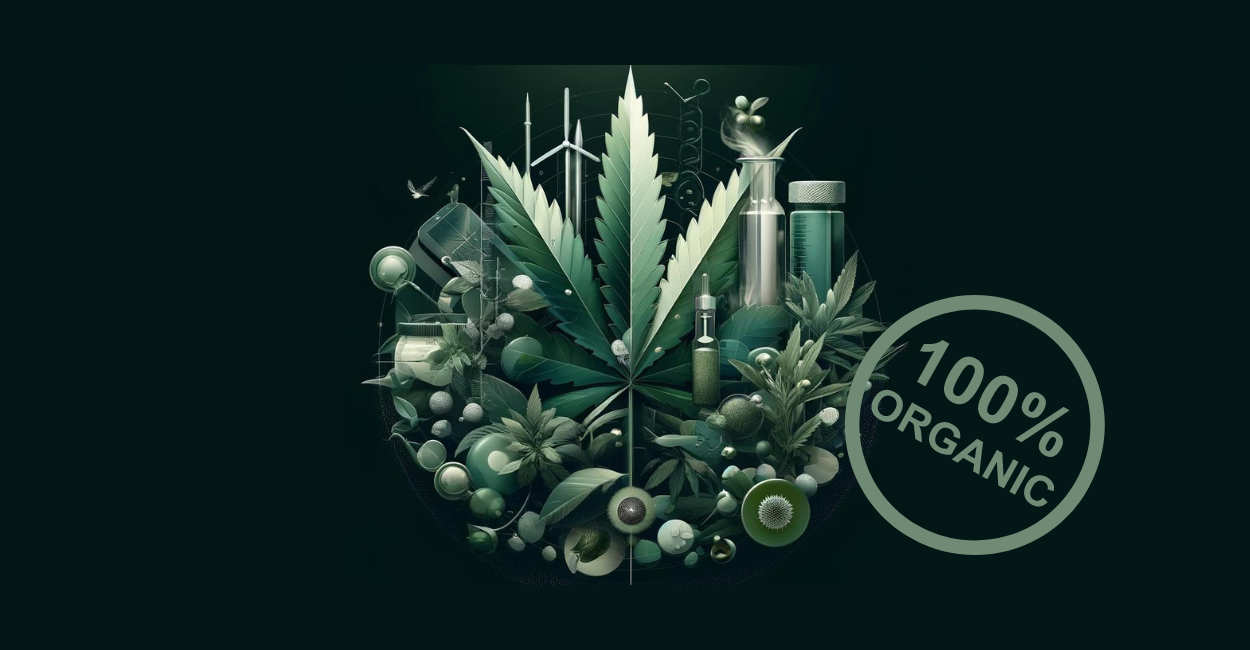
Organic cannabis seed cultivation represents a sustainability-focused, system-oriented approach that prioritizes natural cycles and long-term stability.
Rather than maximum control, the focus lies on soil biology, biodiversity, and adaptive cultivation methods. This article provides a neutral overview of organic cultivation principles.
What organic cannabis cultivation means
The objective is a stable, self-supporting system rather than constant corrective intervention.
Biodiversity as a core principle
Biodiversity plays a central role in organic cultivation systems. It influences soil structure, nutrient availability, and natural resilience.
- Active soil biology: Microorganisms support nutrient uptake.
- Natural balance: Diversity stabilizes the system.
- Long-term soil health: Organic processes preserve structure and fertility.
Organic systems respond more slowly but offer higher long-term stability.
Common organic cultivation techniques
- Organic substrates: Compost, worm castings, structured soils.
- Gentle water management: Balanced supply over overfeeding.
- Beneficial organisms: Supporting natural regulators.
- Mulching: Protecting soil from drying and erosion.
These methods suit growers who value stability and learning over rapid intervention.
Cannabis seeds in an organic context
Seeds form the foundation of any organic system. Genetic stability and adaptability play a key role in biological environments.
A basic overview of genetic classification is available in Hemp: Cannabis Sativa, Indica & Co.
Challenges of organic systems
- Delayed feedback: Adjustments take time.
- Observation-based management: Understanding replaces control.
- Experience-driven learning: Practice matters more than intervention.
Organic cannabis seed cultivation is a long-term ecological approach rather than a short-term optimization strategy.
It emphasizes patience, system understanding, and stable conditions over constant correction.