
 de
 en

The phrase best cannabis strains appears in search queries, top lists and rankings all the time. From a genetic and botanical perspective, that framing is often misleading.
This article keeps it structured and neutral. You will see why there is no objectively best strain, which criteria actually matter for comparisons, and which classic lines are repeatedly used as reference points across catalogs and breeding programs. The focus is seeds and genetic context, not consumption claims.
The reasons why cannabis strains cannot be ranked objectively are explained in the background article Why there are no objectively best cannabis strains.
Why there is no objectively best cannabis strain
Most rankings mix incompatible signals. Genetics, marketing names, batch variation and personal preference get compressed into one score. That creates false certainty in a space that is inherently variable.
A name is not the same as a line
Many famous names exist in multiple versions. Different seedbanks may use the same name while working with different parent material, selection goals or stability levels. The name alone is not proof of quality.
Phenotype and environment change outcomes
Even within one line, different phenotypes can appear. Environment also affects plant architecture, flower formation and aromatic expression. If you want a meaningful comparison, you need criteria, not opinions.
How to compare classic lines in a useful way
- Genetic positioning: background, hybrid type, breeding goal.
- Stability and uniformity: how predictable structure and development are.
- Plant architecture: growth form, internodes, branching, flower build.
- Maturity window: relative positioning early, mid, late within catalogs.
- Aromatic classification: neutral catalog style sensory positioning.
- Historical influence: impact on later hybrids and line work.
With this approach, a top 10 list becomes an orientation set rather than an absolute ranking. These are reference lines that keep showing up because they are widely cited benchmarks.
How such reference lists should be interpreted, which comparison criteria remain meaningful, and how to select strains independently of rankings is explained in the overview article Best Cannabis Strains – Reference Anchors, Criteria & Selection Guide.
Top 10 cannabis classics 2026 as reference lines
This selection is written as a reference set on purpose. It helps you recognize line families behind common names and evaluate offers more clearly.
1 Northern Lights as an indica reference line
Northern Lights is one of the most cited indica dominant classics. It is often used as a benchmark for compact structure and short maturity windows in many catalogs.
2 Skunk 1 as a foundational hybrid line
Skunk 1 is frequently described as a historically influential hybrid line. Its relevance is the role it played as a building block for many later selections and crosses.
3 AK 47 as a consistently selected hybrid line
AK 47 is often positioned as a strong, consistent hybrid benchmark. For comparisons, it is useful because many catalogs describe it as reliably structured and repeatable.
4 Jack Herer as a haze hybrid reference
Jack Herer is considered a classic hybrid that combines haze background with indica structural traits. The variety was originally developed by Sensi Seeds and remains one of the best known reference lines in modern hybrid breeding.
5 White Widow as a resin benchmark line
White Widow is traditionally associated with strong resin expression and dense flower build. Many modern lines position themselves in relation to this benchmark.
6 The haze family as a sativa framework
Haze is less a single strain and more a line environment. If you want to position modern sativa hybrids, haze terminology matters. Context: Haze meaning.
7 The kush family as a structure and aroma reference
Kush lines are often described as a recognizable family with robust structure traits. Since versions vary by seedbank, comparing line traits is more useful than comparing names. Context: Why kush is legendary.
8 Landraces as genetic origin points
Landraces are not ranking winners, but they are the foundation of many modern lines. If you want to evaluate genetics seriously, landrace context matters. Entry: Landraces and genetics.
9 Skunk and haze as a breeding axis
Many classics and many modern hybrids can be positioned along a skunk context and haze context axis. This helps navigation across catalogs. Overview: Haze skunk and kush.
10 Stability as the modern quality reference
The most important reference in 2026 is not a name, it is stability. If you want predictable outcomes, learn the line logic. Start here: Understanding stable cannabis lines.
Five reference products from the shop
These five products have been selected as concrete reference examples. They help readers identify the classic lines described above as actual catalogue entries.
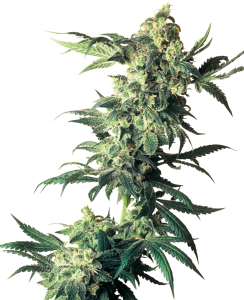
Northern Lights feminised by Sensi Seeds
Classic indica reference line used as a comparison anchor for structure and maturity positioning.

Skunk 1 feminised by Sensi Seeds
Foundational hybrid line with long term influence across breeding programs.
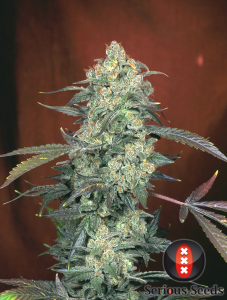
AK 47 feminised by Serious Seeds
Hybrid reference used for comparison of repeatable structure and general consistency.

Jack Herer feminised by Sensi Seeds
Classic haze hybrid reference for positioning haze context traits in catalogs.

White Widow feminised by Dutch Passion
Benchmark line often cited for resin expression and dense flower structure.
FAQ about top lists and classic reference lines
Long answer: A useful top list is an orientation set based on clear criteria such as uniformity, repeatable structure and transparent context. Rankings without criteria create false certainty in a variable landscape.
Long answer: The same name can represent different line work across seedbanks. For meaningful comparisons, include seedbank context, line description and catalog traits rather than relying on the name alone.
Long answer: Classics persist because they allow positioning and comparison over time. Their value is often stability, recognizability and historical influence, not trend status.
Long answer: Beginners benefit from clear positioning around stability, structure and predictable traits. Pure rankings without criteria often set unrealistic expectations.
Long answer: Stability usually shows as repeatable structure and lower variation within a pack. Line work terms such as IBL or backcrossing can provide context. Start here: Understanding stable cannabis lines.

From reference genetics to an informed selection
Use the overview with categories and filter logic to compare classic lines, related genetics, and stable variants in a structured way.
This page refers only to cannabis seeds and their botanical, genetic and structural characteristics. It contains no consumption, effect or medical claims.