
 de
de en
enThere are 10 products for this.

Proper storage of cannabis seeds?
Storing Cannabis Seeds: Storing cannabis seeds is a crucial aspect of cultivating marijuana plants. Improper storage can lead to the loss of seed quality and viability. To ensure that your cannabis seeds remain in the best quality and Keimfähigkeit, it's essential to understand the factors that influence viability and know the best storage conditions. These factors include aspects such as moisture, temperature, light, and air circulation. We will also delve into the various Arten von Cannabissamen and the optimal storage conditions for each type. Additionally, we'll discuss how to store cannabis seeds discreetly and safely to avoid the risks of improper storage. Finally, we'll provide tips on how to maximize the lifespan of your cannabis seeds to ensure successful cultivation of healthy and robust marijuana plants.
Why is Proper Storage Important?
Before delving into the details of storage, there are some crucial reasons why the correct storage of cannabis seeds is vital. Viability can be influenced by various factors such as moisture, temperature, and light. Improper storage can lead to loss of germination and seed quality. Moreover, incorrect storage can also lead to pest infestations, causing further issues. Therefore, it's essential to store the seeds under the best conditions to ensure the best results when it comes to cultivating marijuana plants.
Proper storage is paramount to prevent loss of germination. Moisture, temperature, and light can all affect the germination capability of seeds. Storing the seeds under optimal conditions ensures they will germinate and grow into healthy plants during cultivation.
Incorrect storage can also lead to a loss in seed quality. This can impact the growth rate, size, and quality of the plants when cultivated. Proper storage preserves seed quality, ensuring the best results when cultivating marijuana plants.
Storing cannabis seeds is a crucial Factor in the cultivation of marijuana plants. Improper storage can affect germination and seed quality. To ensure your cannabis seeds maintain their viability and potential, it's essential to understand the factors that influence viability and to be aware of the optimal storage conditions. Factors such as moisture, temperature, light, and air circulation are crucial. In this text, we will explore the various types of cannabis seeds and the ideal storage conditions for each type to ensure your seeds remain in the best quality. We will also discuss how to store cannabis seeds discreetly and safely to avoid potential risks and issues. Additionally, we will provide tips on extending the lifespan of your cannabis seeds to guarantee the successful cultivation of healthy and robust marijuana plants.
Factors affecting seed viability
As we learned from the previous section, proper storage is crucial to avoid seed germination loss and loss of seed quality. There are three factors that can affect seed viability: humidity, temperature, and light.
Humidity
Humidity is an important factor in storage. Too much humidity can lead to mold growth and seed germination loss, while too little humidity can reduce seed viability. It is important to store seeds in an airtight container to ensure consistent humidity.
Temperature
Temperature is another important factor in storage. Too high or too low temperatures can result in seed germination loss and loss of seed quality. It is important to store seeds in a room with consistent temperature and not subject to extreme fluctuations.
Light
Light can also affect seed viability. Too much light can reduce seed viability and loss of seed quality. It is therefore important to store seeds in a container that is light-protected to maintain seed viability and quality.
Ideal temperature and humidity for storage
In order to maintain the viability of your cannabis seeds, not only are the aforementioned factors such as humidity and light important, but also the ideal temperature and humidity.
Temperature range for storage
Ideally, the temperature at which cannabis seeds should be stored should be between 7 and 15 degrees Celsius. This range provides the best conditions to maintain seed viability and quality. It is important to regularly monitor the temperature to ensure that the seeds are stored under optimal conditions.
Humidity for storage
In terms of humidity, seeds should be stored in an environment with a relative humidity of 60 to 70 percent. This humidity is ideal to maintain seed viability and quality. It is important to regularly monitor the humidity to ensure that the seeds are stored under optimal conditions.
Best containers to use
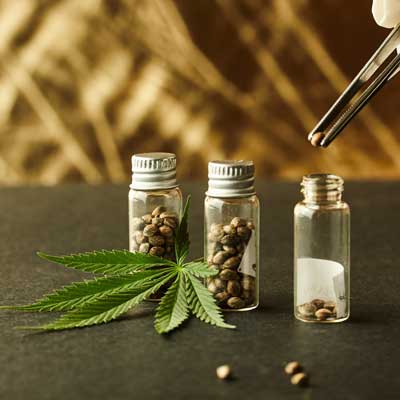 When it comes to storing cannabis seeds, it's important to use an appropriate container to maintain the viability and quality of the seeds.
Suitable container materials for storage are glass, ceramics, stainless steel, or light-tight plastic. These materials provide the best conditions for protecting the seeds from light, moisture, and other external influences.
In terms of container size and capacity, it's important to choose a container that's the right size for the amount of seeds you want to store. It's also important that the container is airtight to prevent pest infestations and seed loss. Choose a container that's airtight, has the right size and capacity for your needs, to achieve the best results.
Tips for storage in containers
To achieve the best results in storing cannabis seeds, there are a few important tips to keep in mind.
It's important to properly label the containers in which you store the seeds. This can help avoid confusion and ensure that you always know which type of seeds are stored in which container.
In terms of placement of the containers, it's important to store them in a cool, dark place that's protected from light and moisture. It's also important not to store the containers in areas exposed to high temperatures or fluctuations.
Storage in Ziplock bags
Unlike storing in containers, it is practical to store cannabis seeds in Ziplock bags for smaller quantities. These bags are light and airtight, meaning they can protect the seeds from light, moisture, and other external influences. Additionally, they are easy to transport and store, making them a great option for daily use and storage of smaller quantities of seeds. However, it is important to note that they are not the best option for storing larger quantities of seeds, as they are not as durable as light and airtight containers.
Finally, it is important to regularly monitor the storage conditions to ensure that the seeds are being kept under optimal conditions. Check the temperature, humidity, and availability of light regularly to ensure that the seeds are being stored in the best conditions.


How to store cannabis seeds correctly?
As we learned in the previous section, it's important to storage cannabis seeds under the best storage conditions to maintain their germination viability and quality.
In general, cannabis seeds can be stored for a period of 1 to 5 years if stored under the best conditions. However, this can vary from strain to strain, so it's important to know the specific requirements of each strain.
To ensure that the cannabis seeds are stored in top condition, it's important to look for signs of poor storage conditions. This can be the presence of pest infestation, a change in the color or texture of the seeds, a decrease in germination viability, or a change in aroma. If you notice signs of poor storage conditions, it's important to take measures to improve the conditions or replace the seeds as soon as possible to ensure that they're stored under the best conditions.
Measures to Improve Poor Storage Conditions
If you notice signs of poor storage conditions with your cannabis seeds, there are a few measures you can take to improve the conditions.
These include:
- Review and revise storage conditions: Check the temperature, humidity, and light conditions and make sure they match the ideal conditions.
- Transferring the seeds to new containers: If you notice that the seeds in a specific container already show signs of pest infestation or loss of germinability, transfer the seeds to a new, clean container.
- Using insecticides: If you notice signs of pest infestation, you can use insecticides to kill the pests. However, make sure the insecticide is safe for plant consumption.
- Replacing seeds: If you notice that the seeds already show signs of decay or a decrease in germinability, replace the seeds with newer seeds.
It is important to act quickly when you notice signs of poor storage conditions to ensure that your seeds are stored in the best conditions and retain their germinability and quality.
How can I test the viability of the seeds?
It is important to check the viability of the seeds before using them to make sure they are still in good condition. Here are two methods that you can use to test the viability of your seeds:
One of the simplest ways to test viability is a germination test. For this, you will need a moist cloth or paper towel and a bowl. Place the seeds on the moist cloth or paper and cover them with a bowl. Monitor the seeds and make sure that the cloth or paper is kept moist. If the seeds begin to germinate after a few days, then they are still in good condition and can be used.
A comprehensive guide on how to perform a germination using this method can be found in our blog post "Germination Method Using Paper Towel", which can be accessed through the following link: Here.
Another way to test viability is to observe the germination rate when using the seeds in a growth system. If a lower number of seeds germinate than expected, this may be a sign that the seeds are no longer in good condition. It is important to regularly test the viability of your seeds to ensure that they are stored in the best conditions and their quality and viability are preserved.
Frequently asked questions about storage
Why is seed quality important when purchasing?
When choosing, it is important to pay attention to the quality of the seed. The quality of the seed directly affects the germination and growth of your plants and can make the difference between a successful harvest and a disappointment. In this section, we will discuss the impacts of low-quality seed and the key quality features that you should consider when purchasing. Furthermore, we will introduce you to our philosophy as a reputable supplier and how we ensure that you receive high-quality seeds.
When purchasing cannabis seeds, it is important to consider the quality of the seed, as it directly affects the germination and growth of your plants. Low-quality seed can result in a lower germination rate, uneven growth, and lower quality of the harvest.
To ensure that you purchase high-quality seeds, you should buy from reputable suppliers and learn about the processes and standards applied during the production and storage of the seeds. Additionally, you should pay attention to quality features such as freshness, purity, and genetic purity. A supplier that meets these standards is a good indicator that you will receive high-quality seeds.
As a reputable supplier, at cannoptikum.com, we place great importance on proper storage of our seeds. Our seeds are stored in industrial refrigerators specially designed for the storage of cannabis seeds to ensure their quality.
We understand how important proper storage is for the germination and quality of the seeds and therefore invest all our expertise in this process. As the only dealer who can guarantee the quality of its seeds 100%, you are in the best hands with us. Buy with confidence at cannoptikum.com, your reliable supplier for high-quality cannabis seeds.
How to choose the best cannabis seeds for storage?
When selecting the best cannabis seeds for storage, it's important to choose strains that are suitable for storage. Some strains are known for their long shelf life and high germination rate, while others are more prone to seed loss and lower quality. Check the descriptions of the strains you are considering and choose those that are suitable for storage.
Identifying quality characteristics
Another important factor when selecting for storage is the quality of the seed. Check characteristics such as freshness, purity, and genetic purity to ensure you are buying high-quality seeds. Buy from reputable suppliers that meet these standards and inform about the procedures and standards applied in the production and storage of seeds.
How to prepare cannabis seeds for storage?
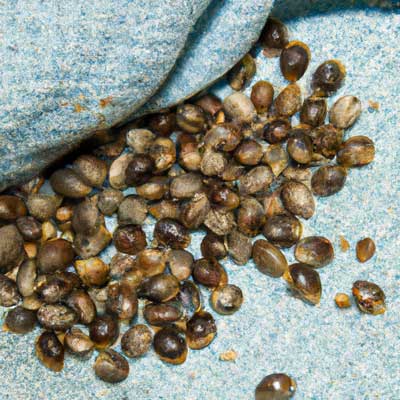 Before storing cannabis seeds, it's important to ensure they are properly prepared. This means you need to first dry and clean them to make sure they are free of dirt, diseases, and pests.
Proper Storage Conditions
To maximize the lifespan of your cannabis seeds, it's important to store them under proper conditions. This means maintaining a constant temperature and humidity, and keeping them in airtight containers. Regularly testing the viability of your seeds is also important to ensure they are being stored in optimal conditions.
Avoid Exposure to Light and Pests
Additionally, it's important to avoid exposing your seeds to direct light and to protect them from pests. Keeping them in a dark and pest-free environment will help to maintain their quality and ensure they are ready to germinate when you are ready to plant them.
Choose High-Quality Seeds
Finally, choosing high-quality seeds is key to maximizing their lifespan. Look for seeds with a high germination rate and genetic purity, and purchase from reputable providers who follow proper production and storage procedures. With these steps, you can ensure that your cannabis seeds will be of the highest quality and ready for planting whenever you need them.
How do I maximize the lifespan of my cannabis seeds?
The lifespan can be maximized through proper storage and care. To maximize the lifespan of seeds, it is important to create optimal storage conditions and regularly monitor them. Consistent temperature and humidity, and protection from light and pest infestation are crucial for seed storage.
It's also important to regularly check the storage conditions to ensure they remain within the optimal range. Changes in storage conditions can affect the viability and lifespan of the seeds.
Finally, it is advisable to regularly replace older seeds to ensure you are always working with fresh and high-quality seeds. The older the seeds, the lower their viability and the more likely they are to fail during germination. By regularly replacing old seeds with fresh ones, you can maximize the lifespan and viability of your seeds. As mentioned earlier, it is important to ensure the right storage conditions for your cannabis seeds to maximize their lifespan. This means paying attention to factors such as temperature, humidity, and light to ensure your seeds remain viable for as long as possible.
In addition, you should regularly check the storage conditions and replace old seeds to ensure you always have fresh, viable seeds. However, it is important to note that viability is not only dependent on age but also influenced by other factors such as storage and seed quality. Therefore, extra care should be taken in the selection and storage of your seeds to achieve the best results.
Disclaimer
This website's content is for informational use only and should not be considered medical or legal advice. Always consult a healthcare professional for health-related issues. Be aware of local regulations regarding cannabis cultivation. We are not liable for any actions taken based on this information.