
 de
de en
en
Reading time: 6-7 minutes
Introduction to Hashish Cookies
Hashish cookies, also known as cannabis-infused edibles, are a popular method of consuming cannabis for both recreational and medical purposes. These cookies are made by incorporating hashish, a concentrated form of cannabis, into the baking process. The main active ingredients in these cookies are THC (Tetrahydrocannabinol) and CBD (Cannabidiol), known for their psychoactive and therapeutic effects, respectively. This article provides an in-depth look into hashish cookies, including their effects, onset time, duration, and tips for safe and responsible consumption.
What are Hashish Cookies?
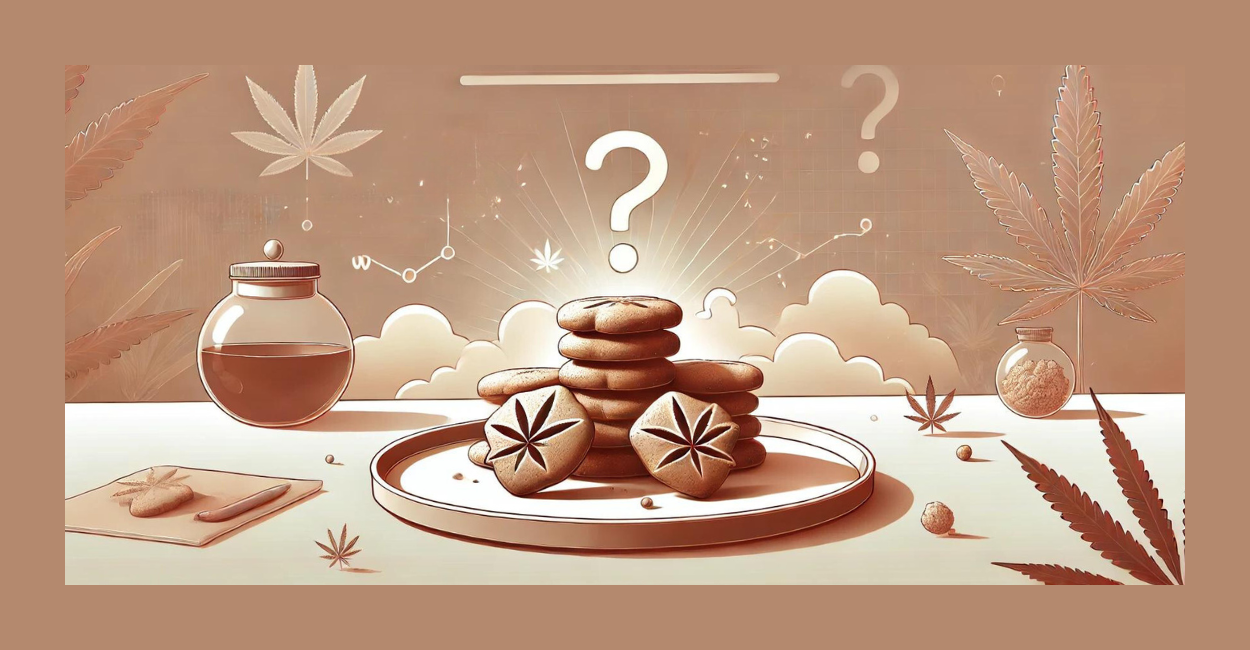
Hashish cookies are baked goods that contain hashish, a potent cannabis concentrate made by collecting and pressing the resin glands (trichomes) of the cannabis plant. These cookies are popular among cannabis consumers because they offer a discreet and tasty way to consume cannabis, with long-lasting effects compared to smoking or vaping.
Active Ingredients
The main active ingredients in hash cookies are THC and CBD. THC is the psychoactive component that produces the "high", associated with cannabis consumption, while CBD is non-psychoactive and known for its therapeutic benefits, such as reducing anxiety, inflammation, and pain.
Effects and Applications
These cookies can produce a variety of effects, including euphoria, relaxation, altered sensory perception, and increased appetite. Medically, they are used to manage pain, alleviate anxiety, treat insomnia, and address other conditions. The effects of hashish cookies are generally more intense and long-lasting than other methods of cannabis consumption due to the way they are metabolized in the body.
Factors Influencing Onset and Duration of Effects
Dosage and Potency
The dosage and potency of hash cookies significantly influence the onset and duration of their effects. Higher doses and more potent hashish result in stronger and longer-lasting effects. It is important to start with a low dose, especially for beginners, and gradually increase to find the optimal amount.
Individual Factors
Individual factors such as metabolism, tolerance, and body weight can affect how quickly and intensely one feels the effects of hashish cookies. People with a faster metabolism or lower body weight may experience the effects earlier and more intensely than others.
Consumption Method
The method of consuming hash cookies affects how quickly the effects are felt. Ingesting cannabis leads to a slower onset of effects compared to inhaling, as the body needs to digest and metabolize the cannabinoids.
Interactions with Other Substances
Other substances or medications can interact with hashish cookies and potentially alter their effects. Alcohol, for example, can enhance the psychoactive effects of THC. It is important to be aware of these interactions and consult a doctor if you are taking other medications.
Onset of Effects
The effects of hashish cookies typically set in within 30 minutes to 2 hours after consumption. This delayed onset is due to the digestive process required to break down and metabolize the cannabinoids in the liver.
Influencing Factors
Several factors can influence the onset time, including whether the stomach is empty or full, individual metabolism, and the specific formulation of the edible. Consuming hashish cookies on an empty stomach generally leads to a faster onset of effects.
Comparison to Other Cannabis Products
Compared to smoking or vaping, where the effects are felt almost immediately, hashish cookies take longer to take effect. This slower onset can lead to overconsumption if users are not patient and mistakenly believe the initial dose is insufficient.
Duration of Effects
Average Duration
The effects of hashish cookies can last between 4 and 12 hours, with peak effects occurring around 2 to 4 hours after consumption. The long duration is one reason edibles are preferred for prolonged relief from symptoms such as chronic pain or insomnia.
Influencing Factors
The duration of effects can be influenced by dosage, individual metabolism, and tolerance. Higher doses and slower metabolism can prolong the duration of effects.
Comparison to Other Cannabis Products
The effects of hashish cookies generally last longer than those of smoked or vaporized cannabis, which typically subside within 1 to 3 hours. This makes edibles a preferred option for users seeking sustained relief or prolonged effects.
Safety and Responsible Use
Potential Risks and Side Effects
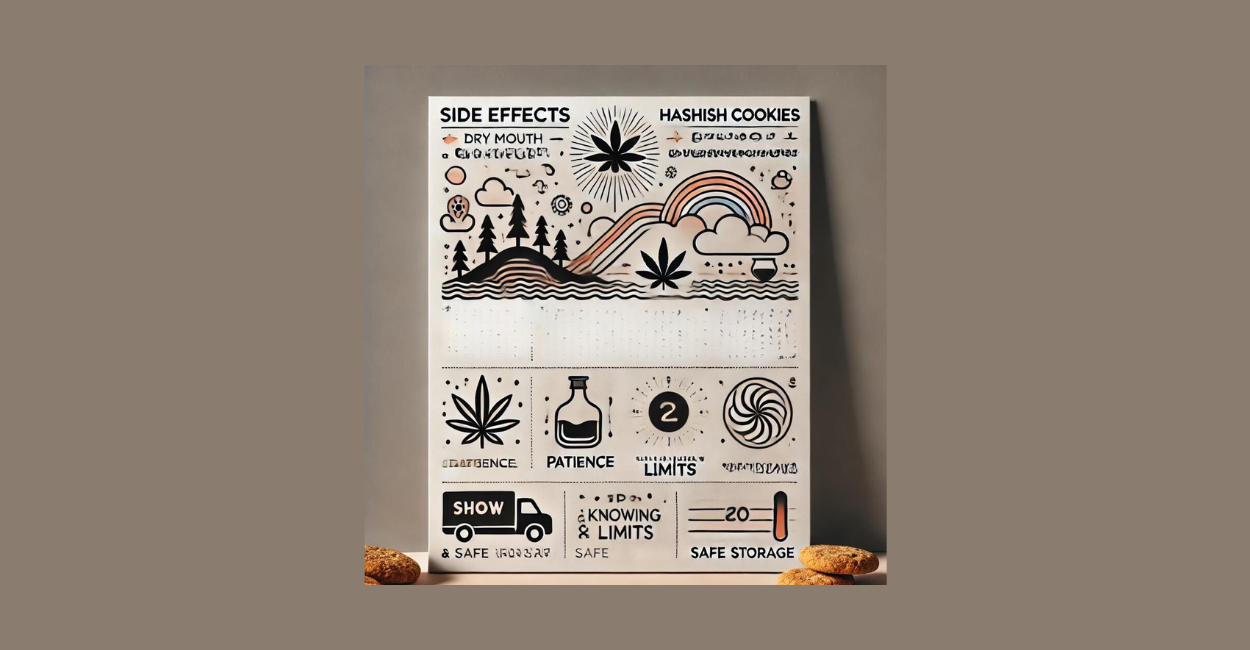
Consuming hashish cookies can have potential risks and side effects, including dry mouth, dizziness, paranoia, and impaired coordination. In extreme cases, overconsumption can lead to severe anxiety or hallucinations.
Importance of Low Dosage
It is crucial to start with a low dose and wait for the full effects to set in before consuming more to avoid overconsumption. Beginners should start with a dose of 2.5 to 5 mg of THC and wait at least 2 hours before considering another dose.
Tips for Safe Consumption
- Be patient: Wait at least 2 hours after consuming hashish cookies before taking more.
- Stay hydrated: Drink plenty of water to counteract dry mouth and dehydration.
- Avoid mixing with alcohol: Combining hashish cookies with alcohol can enhance effects and increase the risk of adverse reactions.
- Know your limits: Understand your tolerance level and do not exceed it.
- Store safely: Keep hashish cookies out of reach of children and pets.
Hashish cookies offer a potent and enjoyable way to consume cannabis, with effects that are both long-lasting and intense. Understanding the factors that influence the onset and duration of these effects can help users have a safe and positive experience. Always start with a low dose, be patient, and consult a doctor if you have any concerns. By following these guidelines, you can enjoy hashish cookies responsibly and safely.
Disclaimer
This website's content is for informational use only and should not be considered medical or legal advice. Always consult a healthcare professional for health-related issues. Be aware of local regulations regarding cannabis cultivation. We are not liable for any actions taken based on this information.