
 de
de en
en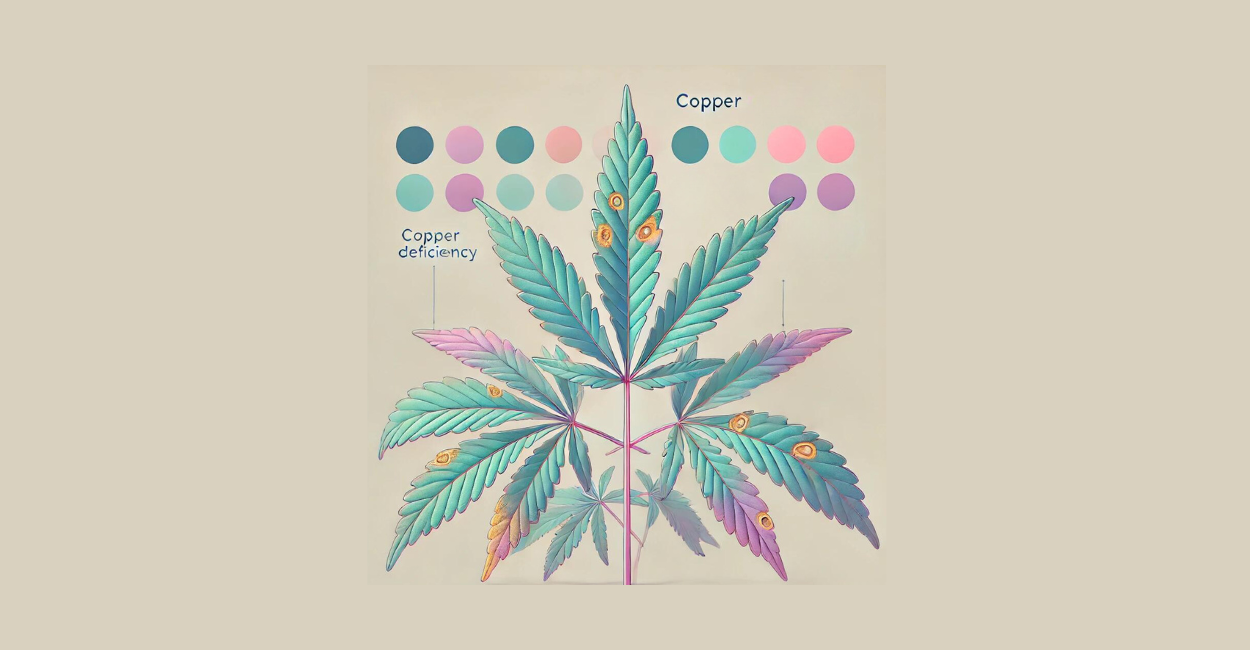
Are your cannabis plants showing signs of discoloration and growth issues? This could indicate a copper deficiency in cannabis plants. In this article, you'll learn how to identify the signs of copper deficiency, understand the causes, and find effective solutions. Let's uncover the secrets of copper together and ensure the health of your plants!
Table of Contents
Role of Copper
Copper is vital for the health of cannabis plants. It plays a key role in photosynthesis, enzyme function, and the formation of lignin, which strengthens cell walls. Copper is also essential for reproductive growth and the development of flowers. Our experience shows that maintaining proper copper levels significantly improves plant resilience and overall growth.
Signs and Symptoms
Recognizing the symptoms of copper deficiency early is crucial. Look for these common signs:
- Leaf discoloration: Leaves may turn yellow, blue, or violet, especially at the tips and edges.
- Blistering and necrosis: Necrotic spots or blisters may appear on leaves.
- Stunted growth: Both vegetative and reproductive growth can be severely impacted.
- Blossom issues: Poor flower development and delayed blooming.
- Metallic sheen: Leaves may develop a metallic, shiny appearance.
In our cultivation practice, we've found that early detection of these symptoms is key to preventing long-term damage. Regular inspections and monitoring are essential to catch these signs early.
Causes of Copper Deficiency
Several factors can contribute to copper deficiency in cannabis plants:
- pH imbalance: High soil pH levels can lock out copper, making it unavailable to plants.
- Poor soil quality: Soils low in organic matter and essential minerals.
- Overwatering: Excess water can lead to nutrient leaching, including copper.
- Hydroponic systems: Imbalanced nutrient solutions or poor water quality in hydroponic setups.
By addressing these factors, growers can take proactive steps to prevent copper deficiency.
Treatment of Copper Deficiency
Treating copper deficiency involves several steps:
- pH Adjustment: Ensure that the soil or nutrient solution pH is within the optimal range (6.0-6.5 for soil, 5.5-6.0 for hydroponics). Use a pH meter to monitor and adjust using pH up or pH down solutions.
- Use of Copper Supplements: Apply copper chelate or copper sulfate. For soil, use 0.5-1.0 grams per liter of water. For hydroponic systems, add 0.05-0.1 grams per liter of nutrient solution. Follow manufacturer guidelines for specific products.
- Flush: Flush the root zone with clean, pH-balanced water to remove excess salts and minerals. Use 3-4 times the volume of your growing medium in water. For example, if you have a 10-liter pot, use 30-40 liters of water.
- Improving Soil Quality: Add organic substances such as compost, greensand, or seaweed. Apply 2-4 cm of compost to the soil surface and mix it in. For greensand, use 1-2 tablespoons per gallon of soil. For seaweed extracts, follow the manufacturer's dosing instructions, typically around 5-10 ml per liter of water.
Our preferred method for quickly correcting copper deficiency is the application of copper chelate and regular pH adjustments. This approach has proven highly effective in our cultivation operations.
Prevention of Copper Deficiency
Preventing copper deficiency is the best approach for healthy cannabis plants:
- Maintain proper pH: Regularly monitor and adjust the pH of your growing medium.
- Balanced nutrient routine: Follow a nutrient schedule that includes all essential micronutrients.
- Quality water: Use filtered or distilled water to prevent nutrient imbalances.
- Regular soil amendments: Incorporate compost and organic matter to improve soil health and nutrient retention.
In our experience, these preventive measures have led to excellent results, effectively avoiding copper deficiency in our cannabis plants.
Copper: An Important Mineral
Copper is a critical micronutrient for the growth and health of cannabis plants. From seedling to flowering, adequate copper levels ensure strong development and high yields. By understanding and addressing copper deficiency, growers can optimize their cannabis cultivation for better results.
Important Note:
Ensuring an adequate supply of copper for your cannabis plants is crucial for their health and productivity. If you observe symptoms of copper deficiency, such as discolored leaves or restricted flower development, you should adjust your nutrient program. Adding copper-rich nutrients or supplements can help address the deficiency. Always check the pH levels of your soil or growing medium, as an incorrect pH can inhibit copper uptake. For more information and suitable products to address nutrient deficiencies, visit our product category for Fertilizer - cannabis copper nutrients.
Conclusion:
Copper deficiency can significantly impact the growth and yields of cannabis plants. By early detection of symptoms and targeted measures for treatment and prevention, growers can ensure that their plants remain healthy and productive. Our experience has shown that careful soil management and regular pH monitoring are crucial to avoiding copper deficiency.
Disclaimer
This website's content is for informational use only and should not be considered medical or legal advice. Always consult a healthcare professional for health-related issues. Be aware of local regulations regarding cannabis cultivation. We are not liable for any actions taken based on this information.