
 de
de en
en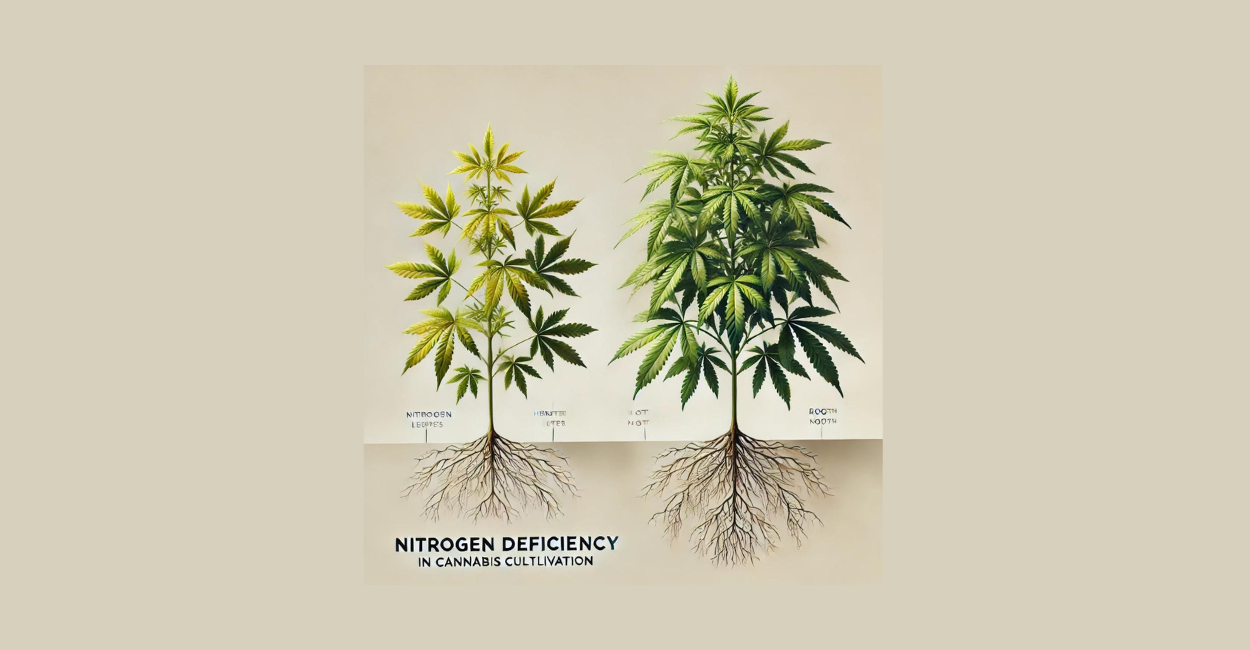
Cultivating cannabis requires both knowledge and dedication. A common issue that many growers encounter is nitrogen deficiency. In this blog post, we will thoroughly discuss the role of nitrogen in cannabis cultivation, the signs and symptoms of nitrogen deficiency, its causes, treatment options, and preventive measures. We will also share some tips and tricks to help keep your plants healthy and productive.
Table of Contents
Understanding the Role of Nitrogen
Nitrogen is an essential macronutrient for cannabis plants. It plays a crucial role in photosynthesis, the synthesis of amino acids and proteins, and the formation of ATP and nucleic acids. Without sufficient nitrogen, cannabis plants cannot grow and thrive properly. Nitrogen is a major component of chlorophyll, the green pigment responsible for photosynthesis. Additionally, nitrogen is a key part of amino acids, the building blocks of proteins, and nucleic acids such as DNA and RNA, which store and transmit genetic information.
Cannabis and Nitrogen Deficiency: Signs and Symptoms
Early detection of nitrogen deficiency is crucial to address the problem promptly. Here are some common signs of nitrogen deficiency in cannabis plants:
- Yellow Leaves: This is one of the first signs of nitrogen deficiency. The leaves gradually become lighter and start to yellow at the edges.
- Slow Growth: The plants grow slower than usual and may remain smaller than expected.
- Pale Green Leaves: The leaves lose their deep green color and become pale green.
- Reduced Leaf Size: New leaves are smaller than usual.
- Delayed Flowering: The flowering phase can be delayed, leading to a reduced harvest.
- Lower Branch Dieback: The lower branches and leaves die off as the plant tries to redirect available nitrogen to new growth areas.
Causes of Nitrogen Deficiency in Cannabis Cultivation
Nitrogen deficiency can be caused by various factors, including:
- Low Cation Exchange Capacity (CEC): Soils with low CEC cannot effectively store and deliver nitrogen.
- Lack of Microbial Life: Microbes in the soil help convert organic matter into plant-available nitrogen.
- pH Imbalance: A pH level outside the optimal range of 6 to 7 can impair the uptake of nitrogen by the plants.
- Improper Fertilization: Irregular or insufficient fertilization can lead to nitrogen deficiency.
How to Treat Nitrogen Deficiency in Cannabis Plants
There are several methods to treat nitrogen deficiency:
- Apply Ionic Nutrients as Root Drench: Use a nitrogen-rich fertilizer like a 10-10-10 mix (10% nitrogen) with 2-3 ml per liter of water to correct the deficiency.
- Use Nitrogen-Rich Foliar Spray: Mix 1 teaspoon of urea in 1 liter of water and spray it directly on the leaves for quick absorption.
- Adjust Soil pH: Ensure the soil pH is in the optimal range of 6-7 to improve nitrogen uptake.
How to Prevent Nitrogen Deficiency in Cannabis Cultivation
Prevention is the best way to avoid nitrogen deficiency. Here are some tips:
- Improve Soil Biology: Add organic matter such as compost or worm castings to promote microbial activity in the soil. 2-3 kg per square meter of soil is ideal.
- Optimize Fertilization Schedule: Ensure your fertilization schedule meets the nitrogen needs of your plants. Use a fertilizer with an NPK ratio of 3-1-2 during the growth phase.
- Enhance Cation Exchange Capacity (CEC): Use soil amendments like zeolite or bentonite to increase CEC. Mix 100-200 g per square meter into the soil.
- Regularly Test Soil pH: Check the pH of your soil regularly and adjust it as needed. Use pH meters or test kits.
- Make Your Own Compost: Compost provides a natural source of nitrogen and other nutrients. Apply a 5-10 cm layer of compost to your beds.
- Avoid Synthetic Fertilizers: Use organic fertilizers such as blood meal or fish meal to improve soil quality in the long term. A teaspoon per plant every two weeks is a good guideline.
Nitrogen: A Crucial Cannabis Macronutrient
Nitrogen is one of the most important macronutrients for cannabis plants, alongside phosphorus and potassium. It is a major component of chlorophyll, amino acids, proteins, ATP, DNA, and RNA. Without sufficient nitrogen, cannabis plants cannot perform the necessary processes critical for their growth and health. Nitrogen promotes vegetative growth and is especially important during the plant's growth phase. During the flowering phase, nitrogen helps in the formation of flowers and resin.
Important Note:
Ensuring an adequate nitrogen supply for your cannabis plants is crucial for their health. If you observe symptoms of nitrogen deficiency such as yellow leaves and stunted growth, you should adjust your nutrient program. Adding nitrogen-rich nutrients or supplements can help correct the deficiency. Always check the pH levels of your soil or growing medium, as an incorrect pH can inhibit nitrogen uptake. From our own experience, we know that Cannacure can help prevent this. For more information and suitable products to address nutrient deficiencies, visit our Product Category for Nitrogen Nutrients.
Conclusion:
Nitrogen is an essential nutrient for cannabis plants. By understanding the signs and causes of nitrogen deficiency, as well as implementing appropriate treatment and preventive measures, we can ensure that our plants remain healthy and productive. A well-thought-out fertilization plan and regular soil testing are key to preventing nitrogen deficiency and achieving a bountiful harvest.
Disclaimer
This website's content is for informational use only and should not be considered medical or legal advice. Always consult a healthcare professional for health-related issues. Be aware of local regulations regarding cannabis cultivation. We are not liable for any actions taken based on this information.