
 de
de en
en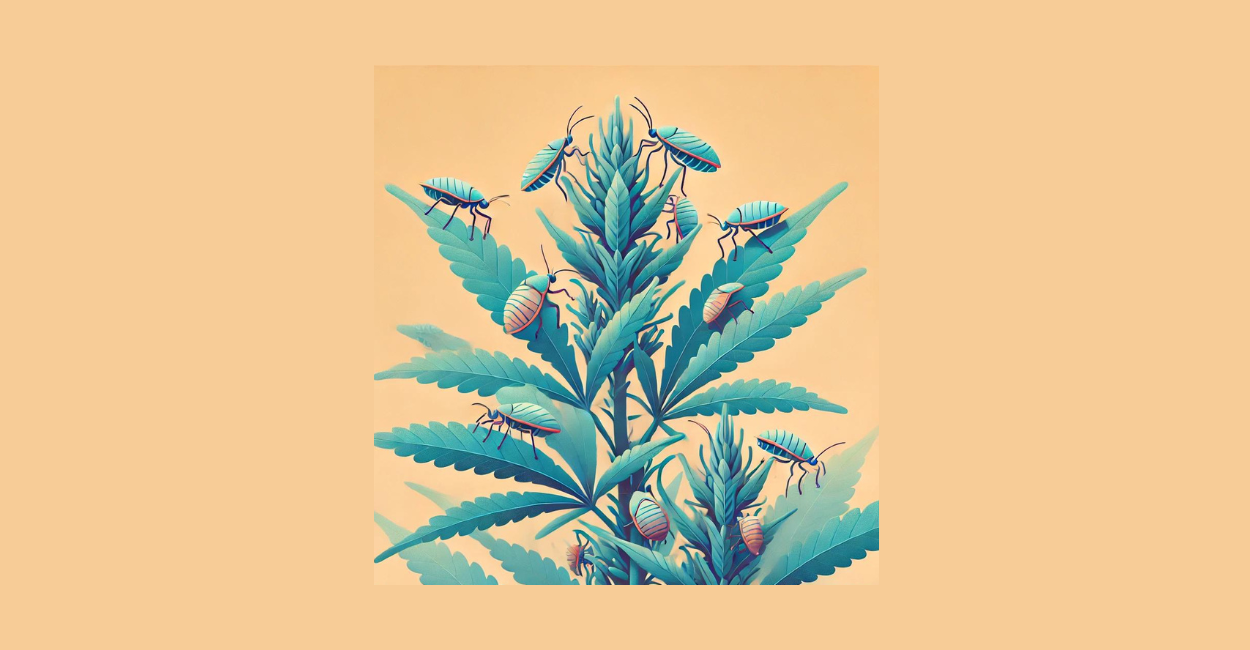
Welcome to our guide on "Scale Insects in Cannabis Cultivation". These tiny armored invaders might look like harmless bumps on your plants, but they can wreak havoc faster than a cat in a yarn store. In this article, we'll show you how to identify scale insect damage, share their feeding habits, and provide effective strategies to rid your garden of these pests. Get ready to take control and keep your cannabis crop flourishing.
Identifying Scale Insects on Cannabis Plants
Scale insects, including woolly, soft, and armored scales, are small, sap-sucking pests that can cause significant damage to cannabis plants. These pests vary in appearance and often leave behind honeydew, which attracts other pests. They are similar to thrips in the way they suck plant sap and cause damage.
Signs of an Infestation:
- White, fluffy substance: Especially common with woolly scales.
- Honeydew secretions: Sugary substance that attracts ants, fungi, and bacteria.
- Weakened plant growth: Due to sap-sucking.
- Yellow or translucent spots on leaves: Caused by feeding.
Causes of Scale Insect Infestation
Several factors can lead to a scale insect infestation:
- Improper pH levels: in the growing medium
- Poor soil drainage:
- Water hardness:
- Nutrient lockout: due to high EC (electrical conductivity) or ppm (parts per million) levels
Scale insects thrive in warm, dry environments. Based on our experience, it is essential to control these factors to prevent an infestation.
Prevention and Treatment of Scale Insect Infestation
Effective prevention and treatment methods include:
Environmental Control
Maintaining optimal environmental conditions is crucial to preventing scale insect infestations.
- Temperature: Keep the temperature around 20°C (68°F).
- Humidity: Increase humidity if it is too low.
- Air circulation: Use fans to improve air circulation.
Pruning and Cleaning
Regular pruning and cleaning can help reduce and control scale insect populations. Our practice shows that removing infested parts effectively prevents the spread.
- Pruning: Cut off the infested areas and dispose of them to prevent the spread of scale insects.
Spraying
Spraying the plants can help reduce scale insect populations effectively.
- Neem Oil Solution: Mix 1 teaspoon of neem oil with 1 liter of warm water, add 5 drops of dish soap, stir thoroughly, and fill the solution into a spray bottle. This mixture helps repel and combat scale insects.
Biological Insecticides and Soaps
Biological insecticides and soaps are effective in treating scale insect infestations. In our experience, these methods are the most effective, and with proper application, significant damage can be avoided.
- Essentria IC3: Apply daily. This product is effective for 8-12 hours.
- Spinosad: Spray directly on the plants or add to the irrigation water for systemic treatment.
- NukeEm: Apply to the plants to kill scale insects at all stages of development.
- SM-90: Mix with water and spray on the plants. This product is known for its effectiveness against scale insects.
- Insecticidal Soaps: Apply to infested areas. Avoid direct application on flowers to prevent residues.
Essential and Horticultural Oils
Essential and horticultural oils can be used to combat scale insects. Our crew has found these oils to be particularly effective when applied regularly.
- Neem oil, eucalyptus oil, cinnamon oil, lemon oil, peppermint oil, rosemary oil: Mix with water and spray on the plants. Avoid spraying on flowers to prevent residues.
- Horticultural oils: Regularly apply oils like canola oil, soybean oil, or cottonseed oil to treat the plants.
Introducing Beneficial Insects
Introducing natural enemies of scale insects can help control their populations. In our experience, these biological methods are very effective and environmentally friendly.
- Ladybugs: Introduce as larvae or adult insects.
- Parasitic wasps: Effective against miners and other pests.
Important Note:
Effectively combating scale insects on your cannabis plants is crucial for their health and productivity. If you notice signs of infestation, such as white, fluffy substances or honeydew secretions, adjust your pest control measures. Introducing natural predators can help eliminate scale insects. Always monitor the growing environment, as maintaining optimal conditions can prevent infestations. For more information on combating scale insects, check out our post Beneficial Insects in Cannabis Cultivation against Scale Insects.
Conclusion:
Scale insect infestations can significantly affect the growth and yield of cannabis plants. Early detection, proper treatment, and preventive measures are essential. Our experience shows that a proactive approach and the use of effective pest management strategies ensure healthy, productive cannabis plants.
Disclaimer
This website's content is for informational use only and should not be considered medical or legal advice. Always consult a healthcare professional for health-related issues. Be aware of local regulations regarding cannabis cultivation. We are not liable for any actions taken based on this information.