
 de
de en
en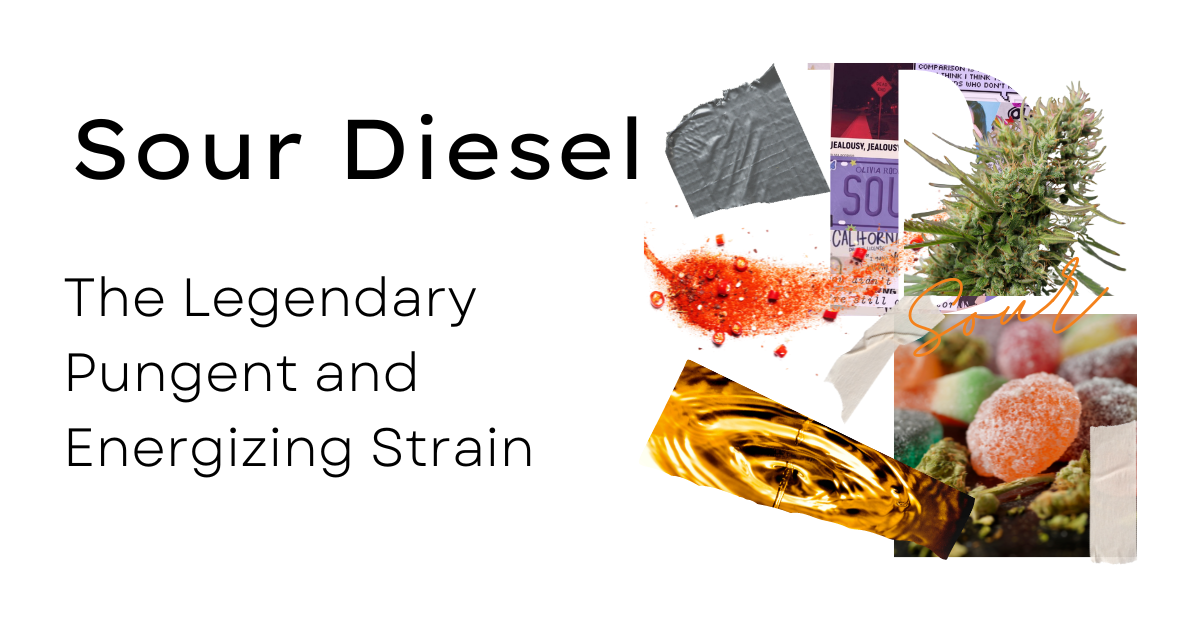
Estimated reading time: 5-7 minutes
Sour Diesel, also known as Sour D or SD, is a true legend in the cannabis world. This sativa-dominant strain is famous for its happy and energizing high, as well as its unique flavor profile, which is more spicy than sweet. In this article, you'll learn everything you need to know about the iconic SD.
Sour Diesel Origin: The Meeting of Two Legends
Sour D has an impressive lineage, first appearing in the 1990s. It was created by crossing the diesel-scented Chemdawg with the lush Super Skunk and quickly became one of the most popular sativas in the cannabis community.
Chemdawg
Chemdawg is a balanced hybrid, appreciated for its spicy flavor and energizing effects. It forms the foundation for Sour Diesel and is often associated with the Grateful Dead scene.
Super Skunk
Super Skunk is a popular hybrid strain, known for its relaxing effects and sweet, earthy aromas. This strain was created by crossing Skunk #1 with an Afghani Landrace Genetic and is known for its potency.
Aroma and Flavor: A Unique Experience
Sour D is best known for its skunky, diesel-like aroma that envelops the senses. This pleasantly sour profile is distinctly noticeable but not overpowering, accompanied by pleasant notes of citrus and earth. The primary terpenes responsible for this unique flavor profile are:
- Myrcene: Adds an earthy note to the aroma.
- Limonene: Provides the fresh citrus notes in the flavor.
- Caryophyllene: Adds spicy nuances and rounds out the profile.
Potency and Effects: Energetic and Uplifting
With a THC content of at least 19%, Sour D is known for its energetic and uplifting effects. It is a popular choice for wake-and-bake enthusiasts and daytime use. While it mainly stimulates the mind, it promotes creativity and a desire for social interaction. In moderate amounts, SD can even have therapeutic potential, especially for those dealing with stress, anxiety, and low mood.
Recreational Uses: Perfect for Socializing and Creativity
This strain is very popular among social people and party-goers. Its energetic effects enliven lively situations. Even introverts can enjoy SD to enhance solo activities such as hiking, artistic projects, journaling, and enjoying media. Some users even turn to SD to tackle tasks like housework with a creative boost.
Medical Applications: Mood-Enhancing and Stress-Reducing
SD is often used in a medical context to lift mood, reduce stress and anxiety, and stimulate appetite. Since the response to cannabis can vary from person to person, it is advisable to consult a doctor before using it in a therapeutic context.
Side Effects: Tips to Avoid
As with many cannabis strains, some side effects may occur when using Sour Diesel, including dry mouth, dry eyes, and occasional paranoia or anxiety, especially at high doses. To minimize these side effects, it is advisable to start with a small dose and gradually increase consumption.
Please note that the effects of SD can vary from person to person. Listen to your body and take your own experiences into account.
Why Choose Sour Diesel?
SD is popular not only for its unique aroma and uplifting effects but also for its versatile applicability. It is excellent for social occasions, creative projects, and even therapeutic purposes.
Frequently Asked Questions
- What is the THC content? SD typically has a THC content of about 19%, although higher levels have been measured.
- What terpenes are present? The most prominent terpenes in SD are myrcene, limonene, and caryophyllene.
- What are the medical uses of this strain? SD may be of interest to medical users suffering from anxiety, stress, depression, and nausea.
- How long is the flowering time? SD has a flowering time of approximately 10 weeks.
Cultivating: Tips for Growers
SD is moderately difficult to grow, requiring experience and care. It prefers intense light for maximum growth and good optimal air circulation for healthy plants. Indoors, the flowering time is about 10 weeks, while outdoors it is ready to harvest by mid-October. Well-draining soil and pest protection are crucial.
Conclusion: A Classic with Unmistakable Character
The legendary SD, also known as Sour D, is not just a cannabis strain, but an experience for the senses and psyche. Its unique aroma, harmoniously blending skunk, diesel, citrus, and earth, makes it a favorite among cannabis connoisseurs.
The uplifting effects of SD, combined with its ability to boost creativity and enrich social activities, make it an excellent choice for recreational users. It offers not only an enjoyable experience but also therapeutic potential for those seeking stress relief and relaxation.
When cultivating, SD requires some experience and care, but rewards growers with generous yields and high-quality buds. With proper care, it develops into a vigorous plant with impressive buds that richly reward the effort and patience of cultivation.
Overall, SD is a timeless strain that delights not only its regular customers but also new enthusiasts with its characteristic properties and versatile applications. Whether for social events, creative projects, or therapeutic purposes, SD remains a classic that enriches the world of cannabis.
Disclaimer
This website's content is for informational use only and should not be considered medical or legal advice. Always consult a healthcare professional for health-related issues. Be aware of local regulations regarding cannabis cultivation. We are not liable for any actions taken based on this information.