
 de
de en
en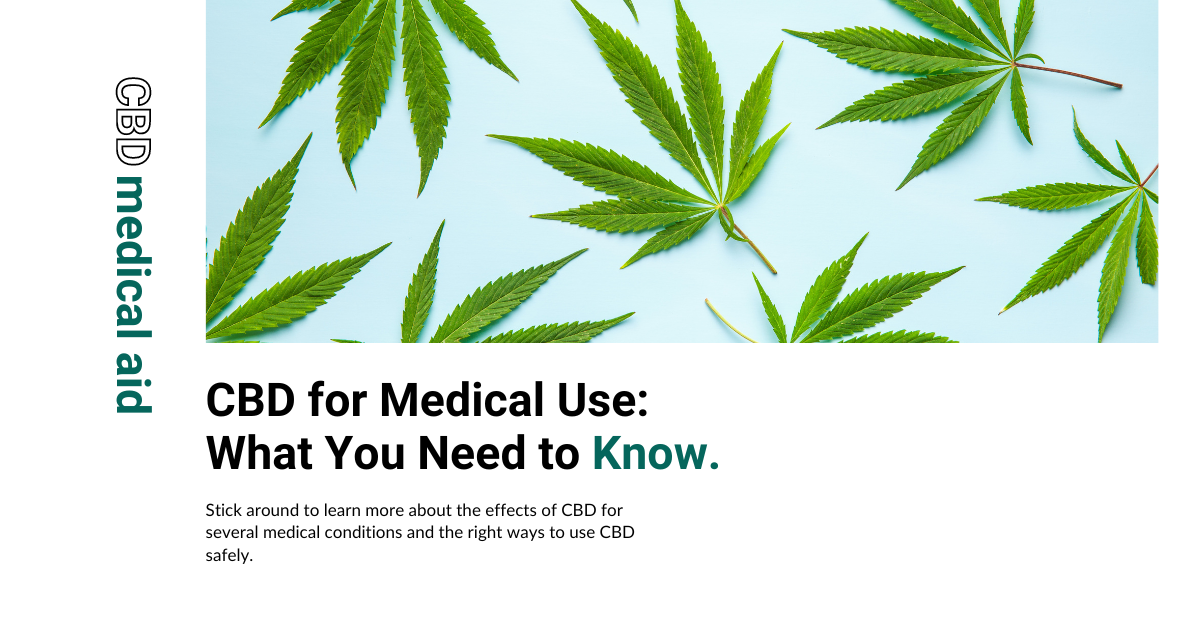
CBD, or Cannabidiol, has become the most popular cannabinoid among users within a period that feels no longer than a blink of an eye. CBD is non-psychoactive which means you're free from risks of feeling high due to CBD. The healing powers of the cannabis plant have been known ever since ancient times. Bringing its non-psychoactive part into medical use answers all the concerns regarding the mind-altering side effects of the cannabis plant. Hemp-sourced CBD is popularly used in the medical arena to address the excruciating symptoms stemming from several medical conditions. These effects make CBD a potential medical aid that practically eliminates the need to get involved in invasive treatments to deal with these medical conditions. Stick around to learn more about the effects of CBD for several medical conditions and the right ways to use CBD safely.
How Can CBD Help You For Medical Purposes?
CBD may actively reduce the impact of the following medical conditions.
a) Chronic Pain
CBD proves to be a promising anti-inflammatory which further explains how it can effectively address chronic pain in the body. Even the highest degree of pain may be coped with by using CBD products. CBD can interact with the cannabinoid receptors in the body that helps control the pain signals traveling across the body.
b) Anxiety
Anxiety can lead to several other symptoms in the body such as shortness of breath, trembling, and more. Controlling anxiety can be a complicated process, however, CBD seems to simplify it by directly regulating the level of serotonin in the body. This can help you feel relaxed during panic attacks.
c) Seizures
Several studies suggest that CBD can effectively block the electric signals primarily carried by LPI which is a molecule called Lysophosphatidylinositol. LPI is found in brain cells and it functions to amplify nerve signals. However, if these signals get hijacked, it causes seizures. This interaction of CBD with LPI can reduce seizures. [1]
d) Dermatological Issues
CBD can put an end to several dermatological issues like acne. CBD can interact with the endocannabinoid system and the immune system which can help it effectively control several skin problems. It can reduce microbial invasion and inflammation on your skin. Also, sebum production in your skin has a lot to do with acne and other skin-related diseases. Having dry or greasy skin can be quite unappealing. CBD interacts with the cannabinoid receptors in the skin to regulate sebum production from the sebaceous pores.
e) Cancer
CBD is found to be capable of discouraging cancerous cells from multiplying. [2] Also, it may help reduce the excruciating side effects of chemotherapy. [3] Chemotherapy treatment is thought to be way more invasive and discomforting than cancer itself.
Dosing With CBD
Managing doses with CBD can be a bit complicated as it’s not a one-size-fits-all kind of thing. Everyone has to manage the CBD doses according to multiple factors like body mass, age, gender, purpose, CBD type, and the body's tolerance for CBD. The pet rule to dose CBD effectively is to 'go slow and steady.' Make sure to stay consistent with your doses and begin with a relatively smaller dose. Keep track of the effects you experience with the dosage and increase it gradually if required. To begin with, 15-20mg works fine for most medical conditions.
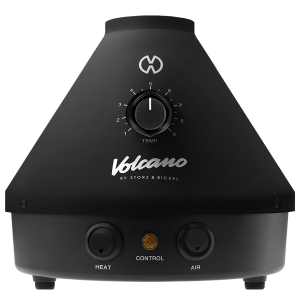

Volcano Classic Onyx
* Storz & Bickel

Crafty+
* Storz & Bickel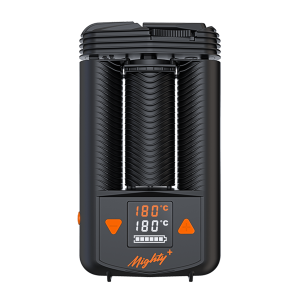

Mighty+
* Storz & Bickel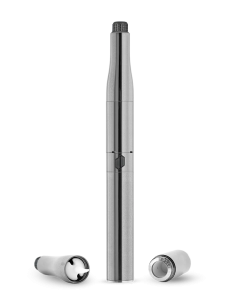

Puffco Plus
* Puffco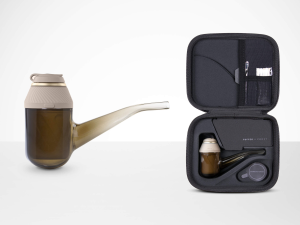

Proxy Kit
* PuffcoCBD Safety Precautions
CBD is generally safe and quite well-tolerated in human beings. However, it’s always better to be on the safer side as the purity of CBD products is generally questionable due to the lack of regulatory bodies. Consider practicing the following precautionary measures.
- Go for reputable sources such as Cannoptikum to ensure product quality and safety.
- Read the labels properly and do good research beforehand.
- Do not overdose on CBD-products. Go slow, and do not increase the dose drastically.
- Pick hemp-sourced CBD-products as they do not contain extensive amounts of THC that could make you feel high.
Potential Side Effects Of CBD
Although you’re safe from side effects while using CBD, overdosing on it might lead to certain side effects. These side effects can merely cause temporary discomfort as they vanish within a few hours.
- Drying of throat
- Diarrhea
- Nausea
- Fatigue
References 1. https://doi.org/10.1016/j.neuron.2023.01.018 2. https://www.ncbi.nlm.nih.gov/pmc/articles/PMC3579246/ 3. https://www.sciencedirect.com/science/article/pii/S0378517319309615
Final Thoughts:
Using CBD for medical purposes can help you cope with them without having to go through invasive medical procedures. It can actively interact with the endocannabinoid system to address the root causes of your excruciating symptoms for ultimate relief.
Disclaimer
This website's content is for informational use only and should not be considered medical or legal advice. Always consult a healthcare professional for health-related issues. Be aware of local regulations regarding cannabis cultivation. We are not liable for any actions taken based on this information.