
 de
de en
enThe Evolution of Skunk Cannabis: An In-Depth Look
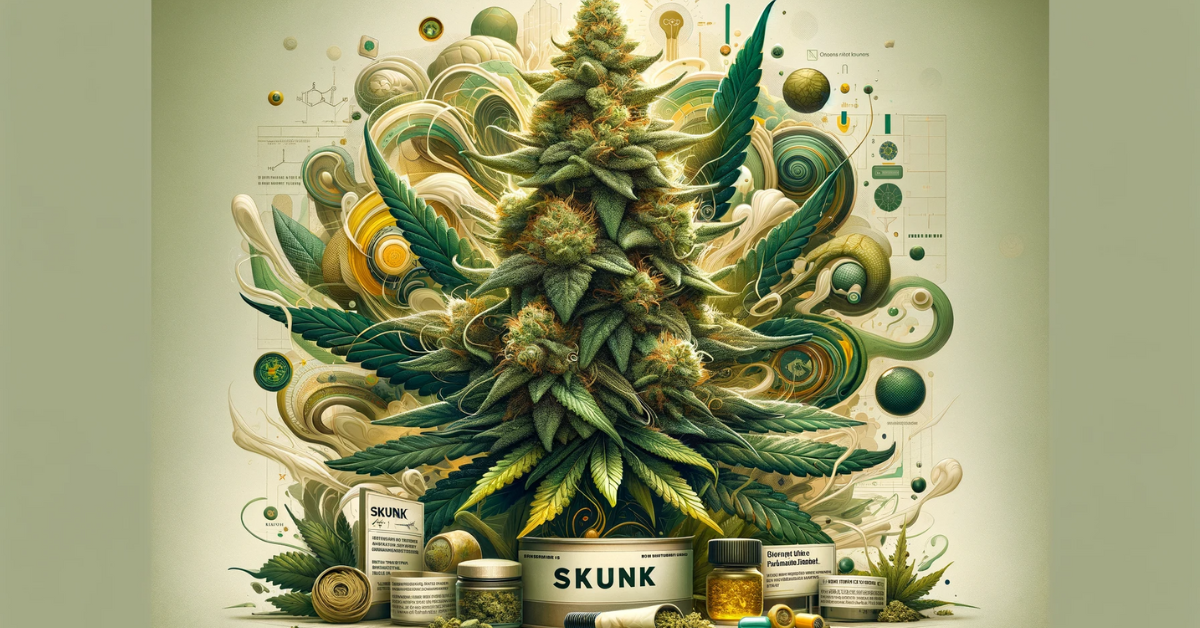
Skunk is a special strain of cannabis that has been developed by crossing several strains. It is known for its high THC content, making it one of the most potent strains available.
Definition and Origin of the Strain
Skunk refers to a family of marijuana strains recognized by their distinctive smell and genetics. In some countries, like the United Kingdom, Skunk can also refer generally to particularly strong cannabis. Skunk strains are known for their easy cultivation and high yields, making them popular choices for both hobby and professional cannabis growers. Skunk varieties are available as feminized and autoflower seeds.
The name "Skunk" originates from the strong and pungent smell associated with these strains. The first Skunk strains appeared in California in the 1970s, and breeders sought a name that would instantly convey the powerful scent. The skunk, a North American animal known for its ability to spray a foul-smelling liquid to fend off predators, was a fitting name and has been used ever since.
Skunk - Evolution
David Watson, also known as "Sam The Skunkman," was active in the 1970s, selecting and breeding cannabis strains under the Californian sun. His team, known as Soma Sacred Seeds, actively searched for special and unusual plants that would form the basis for a new breeding program. Some details may have been lost over the years, but it is believed that Skunk originated as a poly-hybrid between Colombian Gold and Acapulco Gold Sativa landraces and a pure Afghan Indica. Many thousands of cannabis seeds were grown outdoors before the original Skunk was found. When Sam The Skunkman arrived in the Netherlands in the 1980s, he brought some of his Skunk cannabis seeds with him.
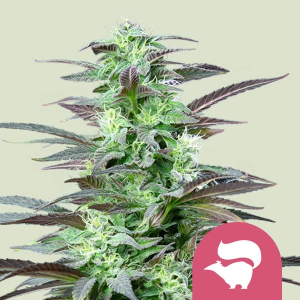
Skunk XL
Experience the robust effects of Skunk XL, a balanced Indica-dominant strain, known for its relaxing high.
- Relaxing and soothing Indica high
- Earthy, spicy flavor profile
- Ideal for unwinding after a long day
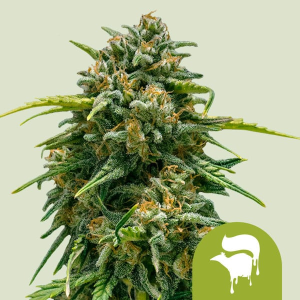
Sweet Skunk Automatic
Enjoy the hassle-free and fast-growing nature of Sweet Skunk Automatic, ideal for efficient harvests.
- Quick automatic flowering time
- Maintains the potent effects and sweet aroma of Skunk
- Perfect for growers valuing efficiency
Skunk XL regular
Discover the classic pleasure of regular Skunk XL, ideal for connoisseurs of traditional cultivation methods.
- Classic, pure Skunk enjoyment
- High THC levels for a strong high
- Ideal for experienced cannabis enthusiasts
Interesting Facts about Skunk Cannabis
Skunk cannabis can be used in various ways, including smoking, vaping, and cooking in edibles. It is important to note that consuming cannabis can impair the ability to drive or operate machinery safely. Moreover, consuming high doses can lead to unwanted effects such as anxiety and paranoia.
- Skunk cannabis gets its name from its strong, skunky smell.
- It is a hybrid strain developed by crossing several strains.
- Skunk cannabis is known for its high THC content, making it one of the most potent strains.
- Consuming cannabis can impair the ability to drive or operate machinery safely.
- Consuming high doses of cannabis can cause unwanted effects such as anxiety and paranoia.
Please note that the information on this page does not constitute medical advice or recommendations.
Table of Known Strains
| Skunk Strain | THC Content | CBD Content | Description |
|---|---|---|---|
| Skunk #1 (Sensi Seeds) | 15-20% | 1-2% | One of the most well-known and widely cultivated Skunk strains, known for its powerful effect. |
| Super Skunk Auto (Sensi Seeds) | 15-20% | 1-2% | A potent hybrid strain that offers a powerful effect and a pleasant taste. |
| Critical Sensi Star Early version | 20-25% | 1-2% | A fast-flowering strain known for its high yield and high THC content. |
| Special Skunk | 18-22% | 1-2% | A popular strain known for its exotic, citrus-like flavor and soothing effect. |
Skunk cannabis is a popular strain of cannabis that has been developed by crossing several strains. It is known for its high THC content, making it one of the most potent strains available. It can be consumed in various ways, but it is important to note that consuming cannabis can impair the ability to drive or operate machinery safely, and high doses can cause unwanted effects such as anxiety and paranoia. It is recommended to seek advice from a doctor or medical professional before consuming cannabis.
Disclaimer
This website's content is for informational use only and should not be considered medical or legal advice. Always consult a healthcare professional for health-related issues. Be aware of local regulations regarding cannabis cultivation. We are not liable for any actions taken based on this information.