
 de
de en
enThe 10 Best Cannabis Haze Strains of All Time

The 10 Best Cannabis Haze Strains
Haze strains are known for their uplifting and physical effects and are very popular among cannabis enthusiasts. These strains are renowned for their high THC content and long-lasting effects. In this post, we will discuss the 10 best Haze strains of all time. ➜ All Top 10 Seed Lists
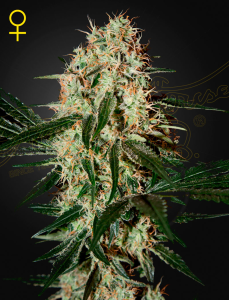
Arjan's Haze #3
Arjan's Haze #3 is one of the most famous strains from Green House Seeds. This Sativa-dominant Haze strain is known for its strong, euphoric, and creative effects. It is a great choice for daytime use and is often appreciated by artists and musicians. Haze strains are known for their uplifting and energizing effects. View Strain Arjan's Haze #3
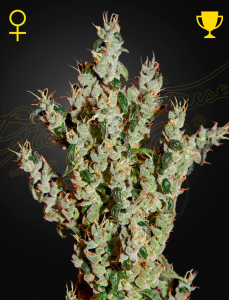
NL5 Haze Mist
NL5 Haze Mist is a cross between Northern Lights #5 and Haze. This strain combines the best qualities of its parents and offers a balanced experience with both cerebral and physical effects. Haze strains are known for their uplifting and energizing effects, making them perfect for daytime use. View Strain NL5 Haze Mist
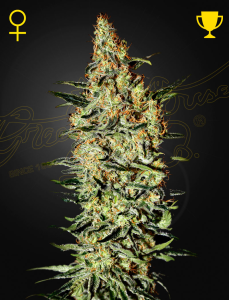
Neville's Haze
Neville's Haze is named after its breeder Neville Schoenmaker, who was one of the first to introduce the Haze strain to the Netherlands. Neville's Haze is a combination of Haze, Northern Lights, and Skunk #1. This strain is known for its uplifting and long-lasting effects and is available from various seed banks such as Green House Seed. Haze strains are famous for their strong, cerebral effects and their ability to foster creative energy. View Strain Neville's Haze
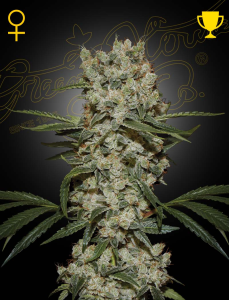
Super Silver Haze
Super Silver Haze is a combination of Haze, Northern Lights, and Skunk #1. This strain is known for its high THC content and its energizing effects. Super Silver Haze is a large plant with a long flowering period. Haze strains are known for their uplifting and energizing effects, often described as creativity-boosting. View Strain Super Silver Haze
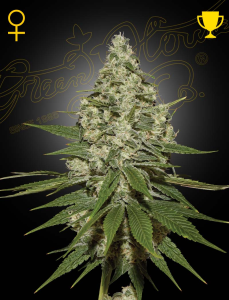
Super Lemon Haze
Super Lemon Haze is a combination of Haze and Lemon Skunk. This strain is known for its lemon flavor and uplifting effects. Super Lemon Haze is a large plant with a long flowering period and is available from GreenHouse Seeds. Haze strains are known for their uplifting and invigorating effects, which are ideal for daytime use. View Strain Super Lemon Haze
Silver Haze
Silver Haze is a combination of Haze, Northern Lights, and Skunk #1. This strain is known for its high THC content and energizing effects. Silver Haze is a tall plant with a long flowering period and is available from various seed banks such as GreenHouse Seed. Haze strains are known for their uplifting and creative effects, often recommended for daytime use. View Strain Silver Haze
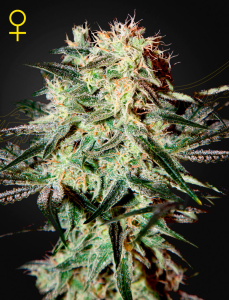
Strawberry Haze
Strawberry Haze is a combination of Haze and Strawberry Cough. This strain is known for its sweet strawberry scent and its uplifting and creative effects. Strawberry Haze is a medium-sized plant with a moderate flowering period and is available from various seed banks such as Green House Seed. Haze strains are famous for their uplifting and creative effects, often appealing to artists and creatives. View Strain Strawberry Haze
These were the 10 best Haze cannabis strains of all time. Note, however, that the effects and characteristics of cannabis strains depend on many factors, including growing conditions and individual reactions. It is important to follow local laws and regulations regarding the cultivation and consumption of cannabis. Use cannabis responsibly and always consult a professional if you have any questions or concerns.
Here you can find more information on:
The history of Haze strains dates back to the 1960s when the first Haze strains were bred in California, USA. Haze strains were imported from various countries, including Colombia, Mexico, Thailand, and Jamaica. The first Haze strain was characterized by its high THC levels and uplifting and energetic effects.
In the 1980s, Haze was exported to Europe, particularly the Netherlands, where breeders began crossing Haze with other strains to create new Haze variations. Neville Schoenmaker, a well-known cannabis breeder, was one of the first to bring Haze to Europe and developed strains like Neville's Haze.
Disclaimer
This website's content is for informational use only and should not be considered medical or legal advice. Always consult a healthcare professional for health-related issues. Be aware of local regulations regarding cannabis cultivation. We are not liable for any actions taken based on this information.