
 de
de en
en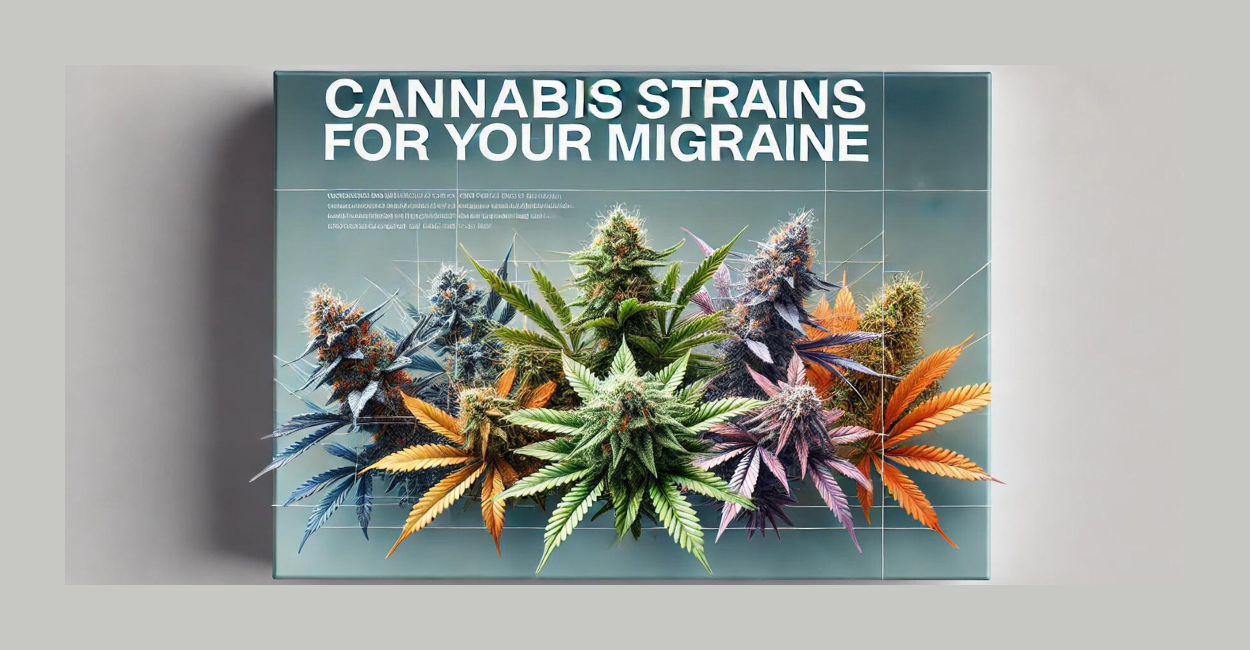
Reading Time: approx. 5 min.
Migraine is a common ailment affecting about 12 percent of the population. This not only means severe headaches but also symptoms like nausea, light sensitivity, depression, and even motor and balance issues. These symptoms often lead to a significant reduction in the quality of life. Many sufferers have a long history of trying various medications and consulting different doctors. In recent years, however, cannabis has emerged as a promising alternative for relieving migraine symptoms.
Cannoptikum, a leading provider of high-quality cannabis seeds and products, has extensively researched the compounds in cannabis and their impact on migraines. Terpenes, the aromatic compounds found in cannabis plants, play a crucial role. Terpenes not only influence the smell and taste of cannabis but also offer health benefits. Cannoptikum offers a variety of terpene products that are explained in detail to help understand and utilize the different effects of cannabis.
How Cannabis Can Help with Migraine

The cannabinoids found in cannabis, particularly THC (Tetrahydrocannabinol) and CBD (Cannabidiol), stimulate the cannabinoid receptors in the brain. These receptors are part of the endocannabinoid system, which plays a crucial role in regulating pain, mood, and inflammation. THC has strong pain-relieving properties and can help reduce the intensity of migraine attacks. CBD, on the other hand, has anti-inflammatory effects and can help reduce the frequency of attacks.
Additionally, many consumers have reported that certain terpenes, such as myrcene, limonene, and beta-caryophyllene, have calming and relaxing effects. These terpenes can help alleviate migraine symptoms by calming the body and mind and reducing pain.
Kush strains are known for their highly relaxing and pain-relieving properties, making them particularly effective in alleviating migraine symptoms. The combination of THC and calming terpenes like myrcene and limonene helps reduce the intensity of headaches and promotes deep relaxation. These properties make Kush an ideal choice for those seeking natural alternatives for pain relief. Learn more about Kush and how it can help you manage your migraines better.
Cannabis Strains for Your Migraine

OG Kush
OG Kush is known for its highly relaxing properties, which can be especially helpful in relieving migraines. The mix of earthy, woody aromas and a hint of pine adds to the calming effect. The high concentrations of THC and the balanced mix of terpenes like myrcene and limonene provide pain relief and a sense of well-being. The Strain OG Kush by RQS
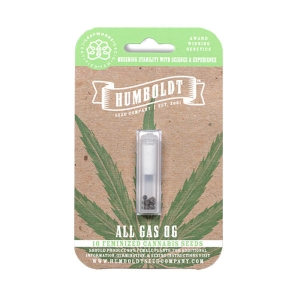
All Gas OG
All Gas OG is a potent strain known for its ability to quickly and effectively relieve pain. The combination of citrus and diesel aromas can be both energizing and relaxing, which is particularly helpful during migraine attacks. Terpenes like limonene and beta-caryophyllene enhance the pain-relieving effects. The Strain All Gas OG by Humboldt
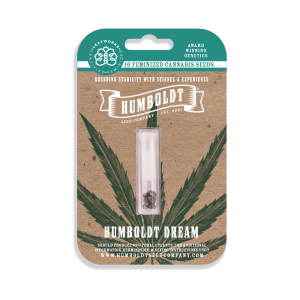
Humboldt Dream
Humboldt Dream combines soothing effects with a pleasant, sweet aroma. This strain is ideal for nighttime use to relieve migraine symptoms and promote restful sleep. The terpenes linalool and myrcene contribute to relaxation and pain reduction. The Strain Humboldt Dream

G.S. Cookies
G.S. Cookies is a strong hybrid strain that offers both physical and mental relaxation. Its sweet, earthy aroma with a hint of mint makes it a pleasant choice. The terpenes myrcene and limonene support the pain-relieving and calming properties that can be helpful for migraines. The Strain G.S. Cookies

Apple Blossom
Apple Blossom is known for its fruity aroma and calming effect. This strain can help relieve migraine symptoms while simultaneously relaxing the mind. Terpenes like limonene and beta-caryophyllene contribute to pain relief and promote overall well-being. The Strain Apple Blossom

Gazzurple
Gazzurple offers a powerful blend of calming and mood-enhancing effects. This strain has a unique aroma of berries and diesel, which is soothing. The terpenes myrcene and linalool support the pain-relieving and relaxing effects that are helpful for migraines. The Strain Gazzurple
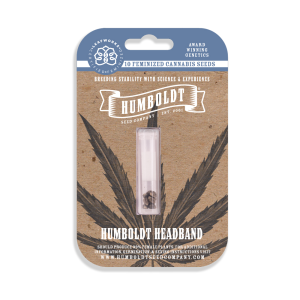
Headband
Headband is known for its long-lasting effects and balanced ratio of sativa and indica properties. This strain can help relieve the pressure of migraines while relaxing the mind. Terpenes like limonene and beta-caryophyllene enhance the pain-relieving and relaxing effects. The Strain Headband
Why US Strains Are Popular against Migraine?
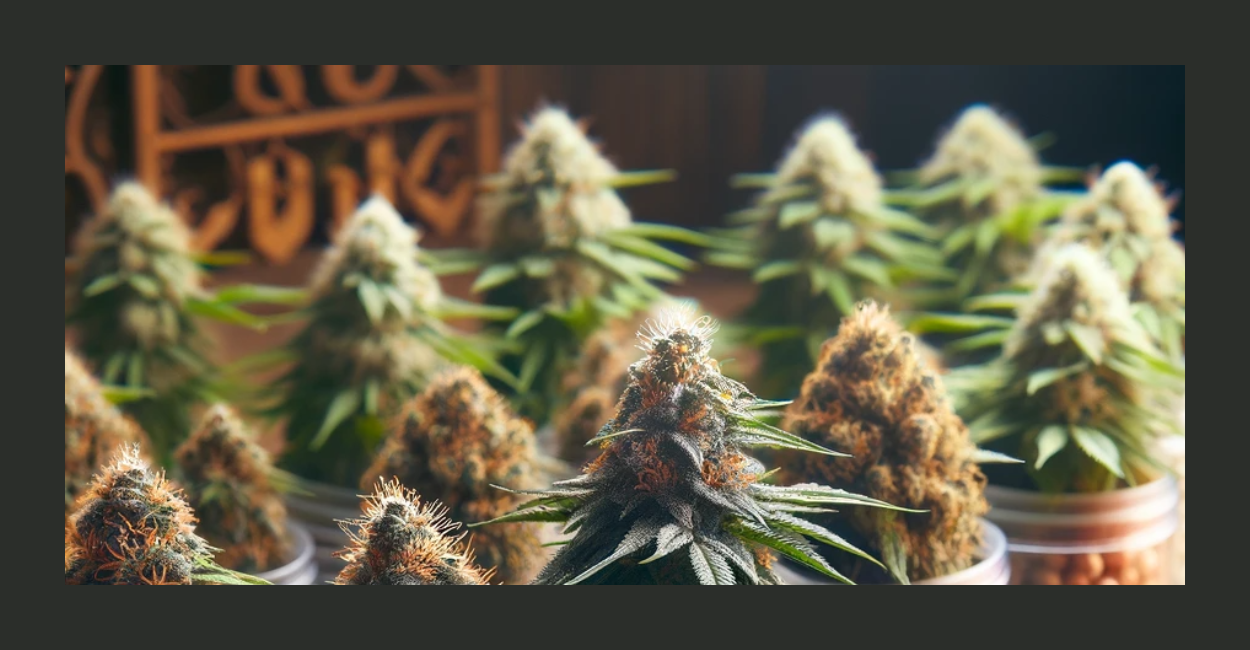
US strains are especially popular because they often have higher THC concentrations and unique terpene profiles that produce strong and pleasant effects. Additionally, many US breeders have developed innovative cultivation techniques that result in high-quality buds. These genetic cannabis seeds can now also be cultivated and grown in Germany, allowing you to create your own therapy. The plants respond to Zen philosophy just like humans, and by creating a good overall package, you can surely create something valuable that benefits you.
Many people who suffer from migraines have long suspected what science is now increasingly confirming. The compounds in cannabis stimulate cannabinoid receptors in the brain. These have pain-relieving and relaxing effects on the entire body. It stands to reason that cannabis also has a positive effect on migraines. Further studies will show exactly how cannabinoid receptors, the components of cannabis, and the relief of migraine symptoms are interconnected. However, numerous reports already suggest that certain cannabis flowers are particularly suitable for relieving migraine symptoms.
People with migraines often have long stories of suffering, having tried many medications and visited several doctors. Medical cannabis could provide the much-desired relief. An analysis of independent international studies found that over half of the respondents reported that cannabis had a symptom-relieving effect. These included significantly reduced frequency of migraine auras (in about 40 percent) and
immediate reduction of headaches (in about 45 percent).
Using cannabis for migraines offers many sufferers a natural alternative to conventional painkillers. Different cannabis strains can have different effects, so it is worth trying several to find the best strain for individual needs. Keep in mind that the effects can vary from person to person, and it is always advisable to consult a doctor before starting a new treatment.
Disclaimer
This website's content is for informational use only and should not be considered medical or legal advice. Always consult a healthcare professional for health-related issues. Be aware of local regulations regarding cannabis cultivation. We are not liable for any actions taken based on this information.